Suin Paper

Suin Paper · Artist

Ha Hyojin하효진 · ハ・ヒョジン

Founder, Suin Paper Cultural Heritage Conservation Technician

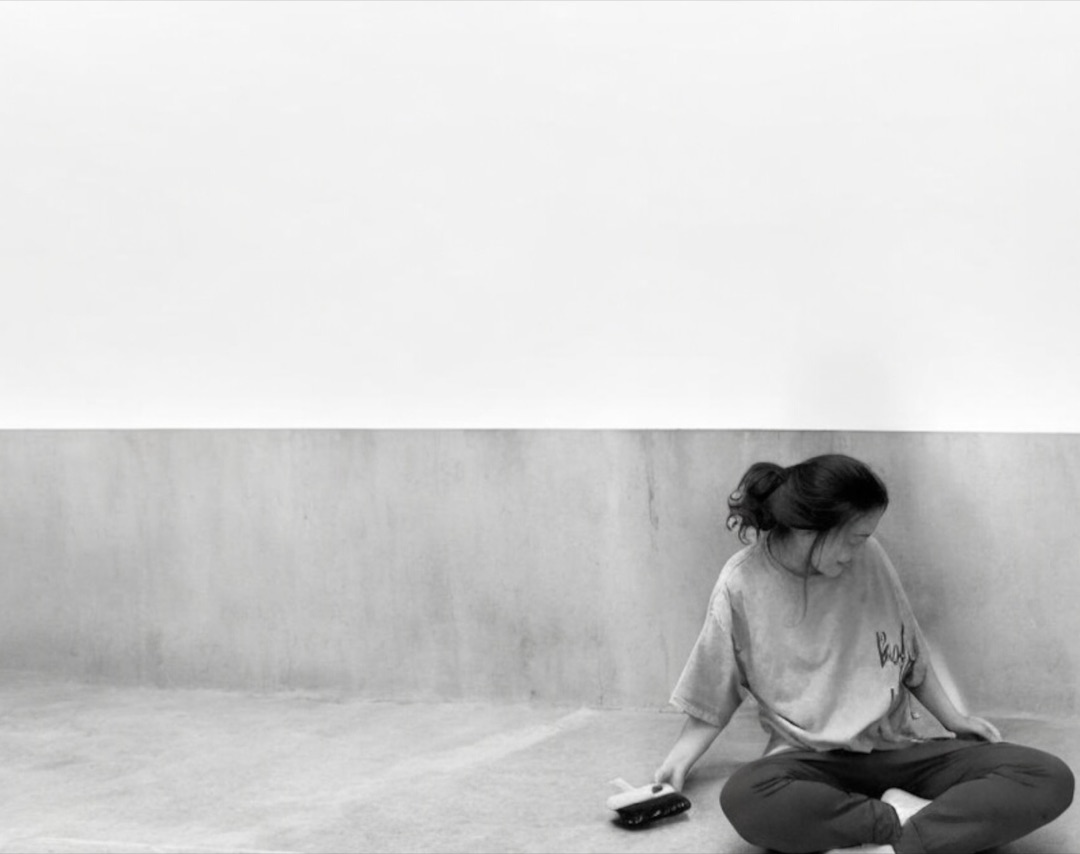
Artist Ha Hyojin sitting in her quiet studio

Tradition takes shape, again and again, at my fingertips.

Scroll

Ha Hyojin 하효진 · ハ・ヒョジン

Founder, Suin Paper Cultural Heritage Conservation Technician

  1. 2025Solo Exhibition Damda
  2. 2024Solo Exhibition Jinida
  3. 2024–25Korea Tourism Souvenir Fair
  4. 2021Two-Person Exhibition Neunghwa FLEX (with Choi Jeongeun)
  5. 2019–20Paperworld Fair, Frankfurt — multiple editions

Tradition takes shape, again and again, at my fingertips.

When I carve a pattern into a woodblock, I am listening — to the breath of what came before. The blade follows the grain of the wood, and an old technique stirs to life inside the present hand. What emerges from this is the Neunghwapan — for me, never simply a tool, but a surface in which memory is held.

To lay Hanji over the carved board and press it with a smooth stone is, in its quiet way, to inscribe time itself. Through this rhythm of repetition and breath, Neunghwaji moves beyond the word "tradition" and stands, on its own terms, as a form of art. I do not stay there. Only at the meeting point of tradition's depth and a contemporary sensibility does the work I make today become whole.

Onto these inherited patterns I lay modern color, modern composition, and considered space — proposing an aesthetic of the in-between, where past and present arrive at one another without strain.

Selected Works

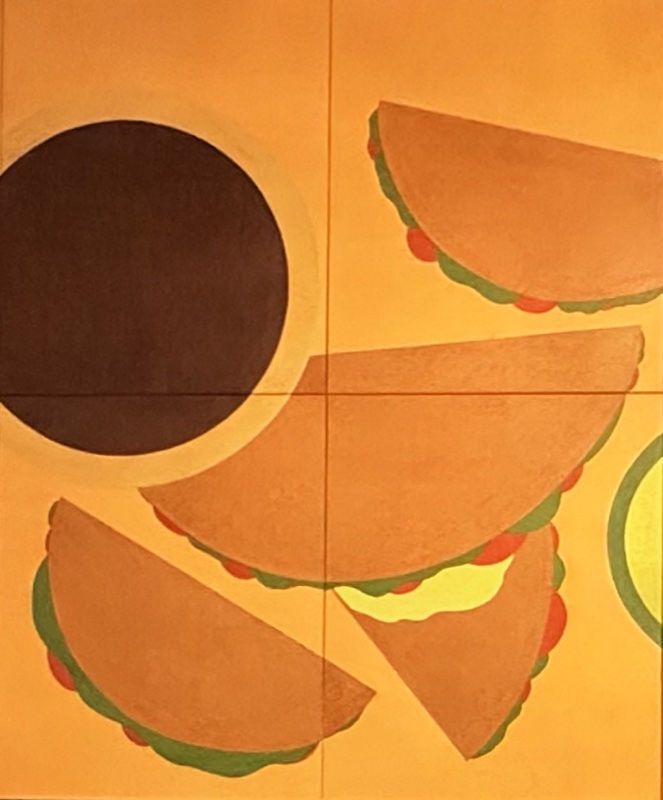
Joie — layered orange and deep tones on Neunghwaji
Joie Hanji · Suin Neunghwaji · 2280 × 400 · 2025

In Joie, the saturated colors of a contemporary palette meet the deep, earthen tones of Korean tradition and resolve into a single chord. Layered upon the Neunghwaji, the colors gather as ingredients gather inside a taco — varied elements arriving together to make one whole.

The artist links this gathering to the French word joie — joy — folding into the title a quieter meaning: the joy of coming together. The work is a visual passage in which color and culture, tradition and space, meet — and through that meeting, become joy.
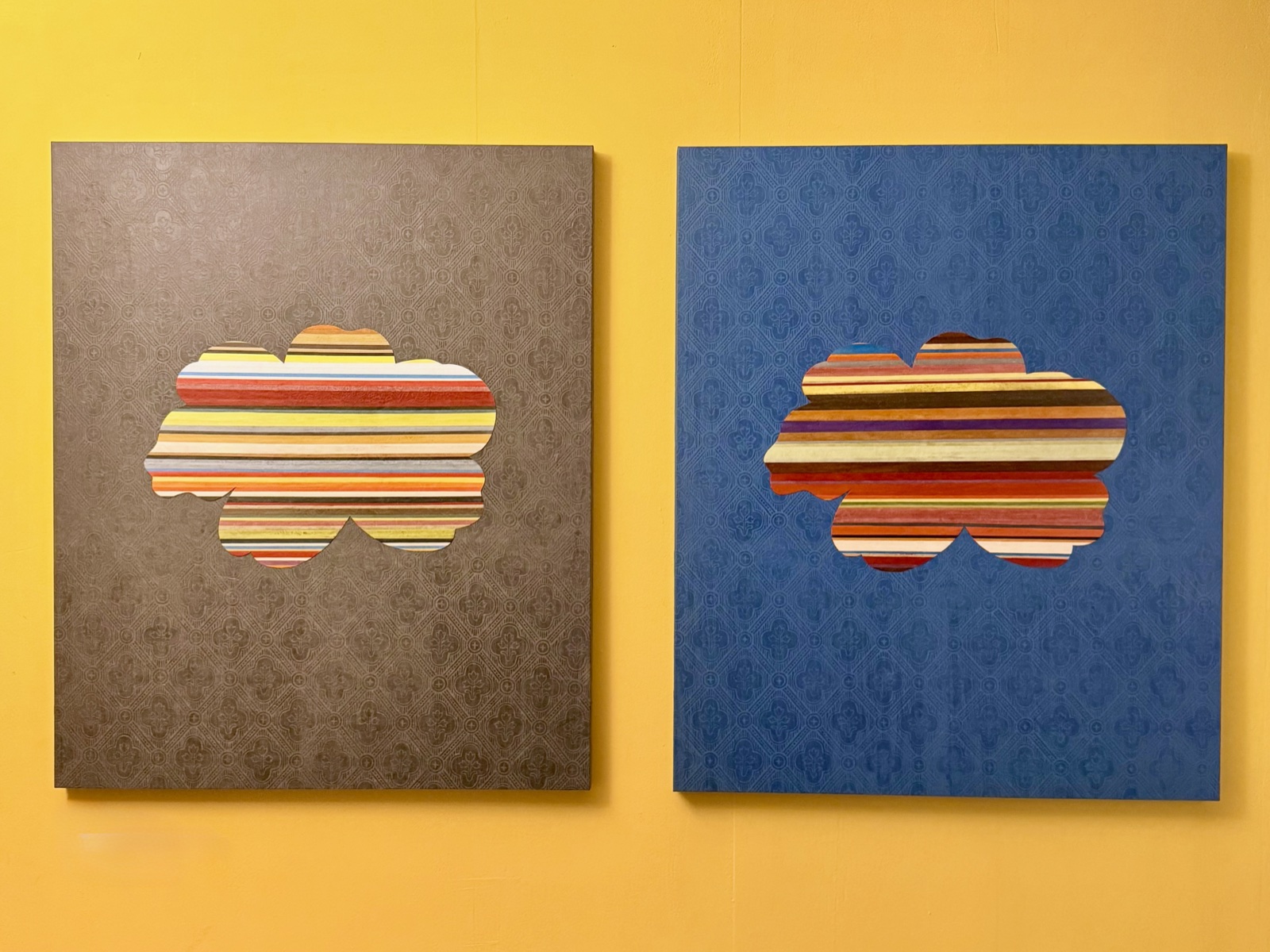
Damum — layered colors over textured Neunghwaji
Damum — Neunghwaji Layer Hanji · Suin Neunghwaji · 607 × 727 · 2025

Damum — Neunghwaji Layer takes as its ground the traditional patterns lifted from a Neunghwapan, and over them composes a sequence of contemporary tones, each layer placed gently upon the last. The texture and pattern of the Neunghwaji breathe quietly at the lowest stratum; the flow of color above carries the work into the present.

What the piece holds is a single moment — the instant in which present-day sensibility is re-arranged upon the framework of tradition.

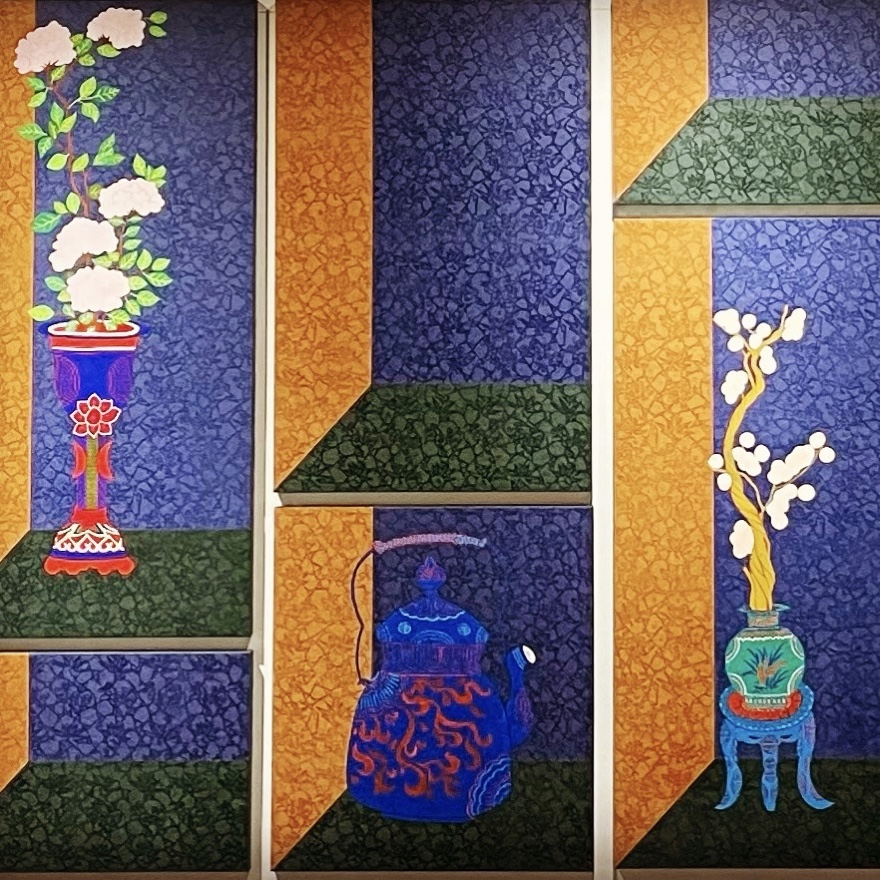
My Chaekgado — Neunghwa-patterned reinterpretation of Joseon Chaekgado
My Chaekgado Hanji · Suin Neunghwaji · 1335 × 1105 · 2025

The Chaekgado of the Joseon dynasty — and especially of King Jeongjo's court — was a decorative painting that stood for a world of knowledge and refined sensibility. In My Chaekgado, Ha Hyojin transposes that ordered beauty into the language of Neunghwa patterning, recasting it as a new visual space.

Neunghwaji, printed from a board the artist herself carved, becomes a sculptural canvas — one that extends the cool, considered ground of the original Chaekgado into a contemporary register. Over the repeating maejuk (plum-and-bamboo) motif, deep color and structural composition gather, and the inherited pattern shifts into a new field — one capable of holding intellectual space.

In place of the old bookcase, here, the texture of Neunghwaji unfolds. My Chaekgado is a Chaekgado in Ha Hyojin's hand — a place where tradition and the contemporary cross.

For inquiries, please reach out via Instagram.

@suin_paper